Creating a thriving garden is a labor of love that involves more than just selecting the right seeds and maintaining the soil. For many homeowners, the wooden structures holding those plants are just as vital as the harvest itself. Raised beds offer excellent drainage, improved pest control, and ergonomic advantages, but they are constantly exposed to the harsh realities of nature. Without the right protection, moisture, UV rays, and fluctuating temperatures can quickly degrade even the sturdiest timber. To ensure your investment stands the test of time, understanding how to apply a high-quality garden box sealer is the first step toward long-term success.
Why Sealing Your Garden Bed Matters
Wood is a porous, organic material. When used in an outdoor setting, it acts like a sponge, absorbing rainwater and ground moisture. Over time, this cycle of wetting and drying causes the wood fibers to expand and contract, leading to warping, cracking, and eventual rot. Furthermore, because these structures contain edible plants, the choice of sealant becomes a matter of health and safety.
In the past, many gardeners used chemically treated lumber, but modern organic gardening standards have shifted the focus toward natural, non-toxic alternatives. By applying a plant-based barrier, you create a waterproof shield that prevents fungal growth and wood decay without leaching harmful synthetic chemicals into your organic soil.
Garden Box Sealer Guide: Strong, Simple & Effective
Selecting the right protection doesn't have to be complicated. A strong and effective approach involves choosing a penetrating formula rather than a film-forming one. While paints or thick varnishes can crack and peel, a penetrating oil bonds with the wood cells. This simple application ensures that even as the wood naturally ages, the protection remains embedded within the grain. When you prepare your garden box, opting for a formula derived from natural oils provides a durable finish that is safe for children, pets, and pollinators.
Preparation: The Key to Longevity
You cannot achieve a professional-grade finish on a dirty or damp surface. Before applying any protective coating, ensure the wood is bone-dry. If you are treating an older bed, use a stiff brush or light sandpaper to remove dirt, debris, and any previous coatings that might be flaking off.
For new wood, a light sanding can open up the pores, allowing the sealant to soak in more effectively. It is always best to seal all sides of the boards—including the ends and the interior faces that will be in contact with the soil—before you assemble the structure. This "360-degree" protection ensures that moisture cannot sneak into the wood through the joints.
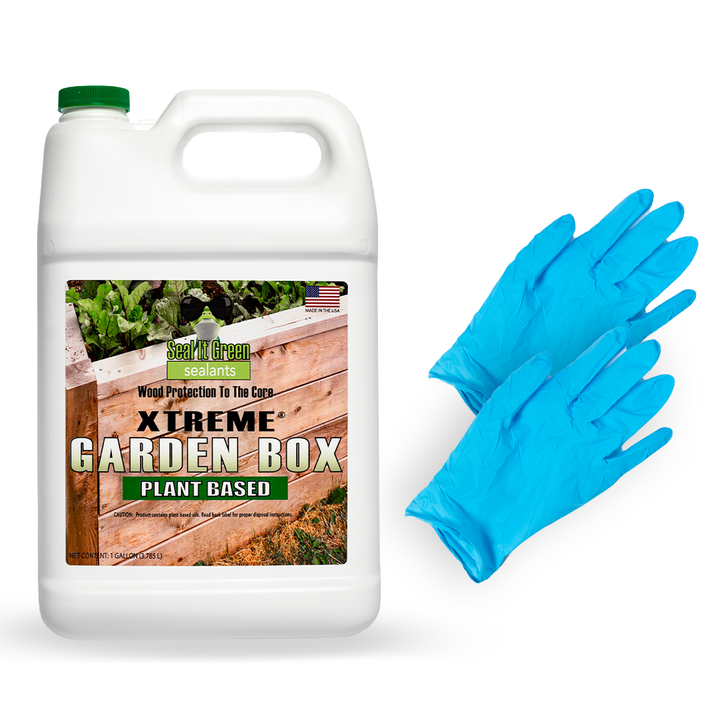
How a Garden Box Sealer Saves Your Plants Fast
Beyond preserving the wood, a sealer directly impacts the health of your vegetation. When wood rots, it becomes a breeding ground for harmful fungi and bacteria that can migrate into the root systems of your plants. Furthermore, a non-toxic sealer prevents the "wicking" effect where the wood pulls moisture away from the soil on hot days, helping your plants stay hydrated. By stabilizing the environment inside your gardenbox, you ensure that your vegetables grow in a clean, consistent, and chemical-free setting.
Garden Box Sealer: Top Benefits You Must Know
-
Superior Moisture Resistance: Creates a hydrophobic barrier that forces water to bead up and roll off.
-
Protection Against UV Degradation: Acts like a sunscreen for wood, preventing the breakdown of fibers that leads to brittleness.
-
Prevention of Soil Contamination: Using food-safe formulas ensures that no heavy metals or VOCs leach into your organic produce.
-
Dimensional Stability: Reduces the natural expansion and contraction of wood, keeping your garden structure tight and square.
Application Tips for Maximum Protection
When it comes time to apply the sealer, weather timing is everything. Look for a window of at least 48 hours of dry weather with moderate temperatures. Avoid applying sealants in direct, mid-day sunlight, as the heat can cause the liquid to dry too quickly on the surface before it has a chance to penetrate the wood. Use a high-quality brush or a lint-free rag to apply the product evenly. Pay special attention to the end grain of the boards, as this is where wood is most porous and prone to absorbing water.
Conclusion
Protecting your outdoor wooden structures is a straightforward process with the right knowledge. By selecting a high-quality, plant-based sealer and taking the time to prep your wood correctly, you can ensure your garden beds remain sturdy and beautiful through every season. Proper maintenance today prevents the need for costly replacements tomorrow, allowing you to focus on what really matters: growing a vibrant and healthy garden.

Join now or log in to leave a comment